Valorant, How Rawzu Makes Satisfying Clips Look Effortless
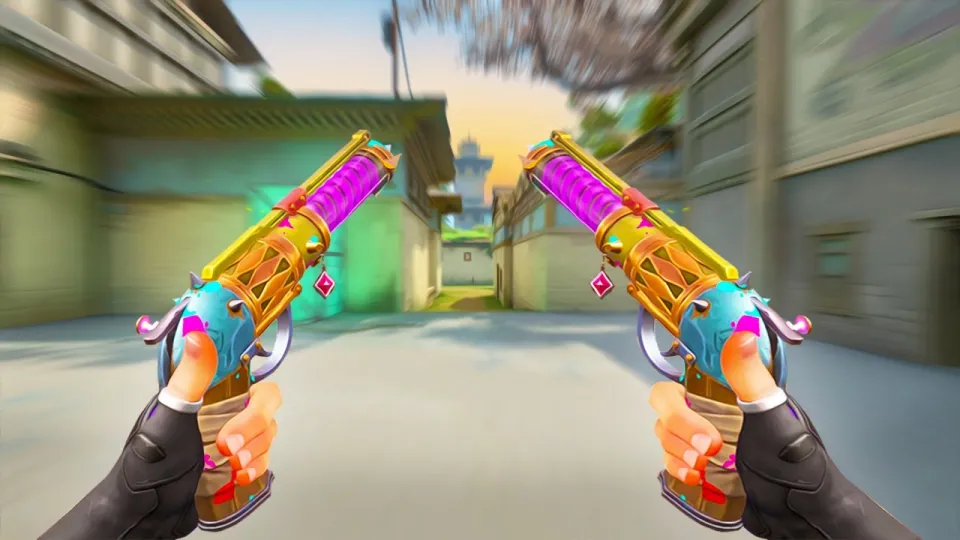
Video: 20 Minutes of Satisfying Valorant Clips
You can order the same kind of articles for your own video to boost it on YouTube and Google. Just message the Telegram bot @sat_sit_bot. It writes articles around your video, embeds the video and publishes them on popular niche websites (no ads). Try it free: 50 articles on us.
· based on the channel Rawzu
Key takeaways
- Rawzu runs 400 DPI with 0.625 in-game sensitivity on a 1440x1080 stretched resolution.
- His crosshair is a static 1-6-2-2 setup paired with a Lamzu Maya X mouse and Zowie H-SR-SE 2 Blue pad.
- Rawzu plays Phoenix, a duelist whose Blaze wall, Curveball flash, and Run it Back ultimate reward aggressive pushes.
- The 20-minute clip compilation highlights one-taps, movement speed, and round-two Vandal plays on Lotus and Icebox.
- Daily live streams run on Kick at kick.com/rawzu, with original music on Spotify and a Discord community.
Valorant is a 5v5 tactical shooter where two teams of agents fight over spike sites using abilities and gunplay. Rawzu's "20 Minutes of Satisfying Valorant Clips" collects the kind of moments that make the game look easy: fast movement, clean one-taps, and Phoenix plays that turn a losing round around. You can watch the full stream and catch the same gameplay live at kick.com/rawzu, where Rawzu streams daily.
What makes Rawzu's Valorant clips satisfying
The satisfaction in these clips comes from three things working together: movement, crosshair placement, and ability timing. Rawzu plays at 400 DPI with 0.625 in-game sensitivity on a 1440x1080 stretched resolution, a setup that lets him turn quickly while keeping his crosshair steady. His static crosshair, 1-6-2-2, is deliberately small so it does not cover the target's head at range. When you combine that with a Lamzu Maya X mouse and a Zowie H-SR-SE 2 Blue mousepad, the result is consistent flicks and tracking that look almost automated. The clips also benefit from his habit of treating the Vandal as a one-tap weapon: he holds angles at head level and fires single shots instead of spraying, which is why so many of the highlights end with a clean headshot.
Phoenix abilities and why the duelist fits this playstyle
Phoenix is an offensive Valorant agent who specializes in hunting enemies while crippling their ability to fire back. His kit rewards the aggressive, movement-heavy style seen in Rawzu's clips:
- Blaze creates a wall of fire that blocks vision and damages anyone who crosses it. Rawzu uses it to cut off sightlines and push through open areas that would normally be too dangerous.
- Curveball is a flash that curves around corners, so it blinds enemies even when they are hiding behind cover.
- Hot Hands throws a fireball that damages and heals Phoenix, giving him sustain during a push.
- Run it Back marks his position; if he dies during the ultimate, he respawns at the mark with full health, making him a very durable duelist.
Because Phoenix can heal himself and return from death, players who like to play aggressively get a lot of freedom. That is exactly the style that produces the highlights in this compilation.
Settings, peripherals, and the stretched resolution debate
Rawzu's settings are a big part of why his gameplay looks the way it does. He uses a 1440x1080 resolution, which is a stretched aspect ratio. Stretched resolutions make enemy models appear wider on screen, which can make them easier to hit, especially for players who rely on flick shots. His sensitivity of 400 DPI and 0.625 in-game is on the lower end of the competitive range, meaning he needs a large mousepad area to move. The Zowie H-SR-SE 2 Blue provides that surface, while the Lamzu Maya X is a lightweight wireless mouse that suits fast repositioning. His monitor, a Zowie XL2566K running at 360Hz, gives him a refresh rate that keeps motion clear during rapid turns. None of these settings are magic; they simply match the way he aims. A player who prefers a slower, more controlled style might use a higher sensitivity and a different crosshair, and that is fine.
Common questions from viewers, answered
Viewers often ask about the same few things after watching a Rawzu clip compilation. The most common question is about sensitivity, and the answer is 400 DPI with 0.625 in-game. Another frequent question is how he moves so fast while still hitting shots; the answer is a combination of low sensitivity for precision, a large mousepad for range of motion, and constant crosshair placement at head level. Some viewers notice that his teammates are unusually supportive and comment on it, which reflects the positive communication in his lobbies. Others ask about the Vandal philosophy: Rawzu treats it as a one-tap weapon, holding angles and firing single shots rather than spraying. Finally, players who have not touched Valorant in years often say the clips make them want to return, which is a testament to how readable and entertaining the highlights are.
How to get the same satisfying results in Valorant
You do not need Rawzu's exact setup to improve, but you do need the same habits. Start with a sensitivity that lets you track a moving target without overshooting, and stick with it for at least a few weeks. Practice crosshair placement in deathmatch so your aim is already at head level when an enemy appears. Learn one duelist's kit thoroughly instead of spreading your time across many agents; Phoenix is a good choice because his flashes and self-heal forgive aggressive mistakes. Use your movement to peek angles, not to run in straight lines. Watch how Rawzu uses Blaze to cut off vision before pushing, and how he saves Run it Back for rounds where he expects to trade his life. Consistency beats highlight reels, but the habits behind the highlights are learnable.
Useful links
- Watch Rawzu live daily: https://kick.com/rawzu
- Original music on Spotify: https://open.spotify.com/artist/6DbATPR1PTNMx7U918bg1Q
- Join the Discord community: https://discord.gg/axnFwyvxp3
Final thoughts on Rawzu's Valorant highlights
Rawzu's "20 Minutes of Satisfying Valorant Clips" works because it shows a player who has fully committed to a style and refined it. The 400 DPI / 0.625 sensitivity, the 1440x1080 stretched resolution, and the 1-6-2-2 crosshair are not random; they support a fast, aggressive Phoenix playstyle built on one-taps and movement. If you want to see more of this gameplay, follow the channel Rawzu, which produced this compilation, and catch the daily streams. The best way to learn is to watch live and then try the same habits in your own matches. For more clips and live gameplay, visit kick.com/rawzu.
Questions & answers
What sensitivity and DPI does Rawzu use in Valorant?
Rawzu uses 400 DPI with an in-game sensitivity of 0.625. This is a relatively low sensitivity that favors precise crosshair placement and controlled flicks. He pairs it with a large mousepad, the Zowie H-SR-SE 2 Blue, to allow enough range of motion.
Why does Rawzu play Phoenix instead of other duelists?
Phoenix's kit fits an aggressive, self-sufficient playstyle. Blaze blocks vision and damages enemies, Curveball flashes around corners, Hot Hands provides healing, and Run it Back lets him respawn after dying. This makes him durable and forgiving for players who like to take fights and push sites.
Is stretched resolution like 1440x1080 actually an advantage?
Stretched resolutions make enemy models appear wider, which some players find easier to hit. However, it also distorts the image and can affect how you perceive distance. It is a personal preference, not a guaranteed advantage, and many pros play on native resolution.
How can I improve my aim to get clips like these?
Focus on crosshair placement, a consistent sensitivity, and one-tap discipline with the Vandal. Practice in deathmatch and aim trainers, and stick with one agent to learn their abilities deeply. Watching live gameplay, like Rawzu's daily streams on Kick, can also help you see the habits behind the highlights.
Source: 20 Minutes of Satisfying Valorant Clips · Markdown version